When the Work Speaks, Should the Artist Stay Silent?

Just a warning - this blog post is a bit philosophical. But it's something I found myself discussing with a few people recently, and it stuck with me enough that I wanted to think it through here, out loud, with you.
When the work speaks, should the artist stay silent? I've been sitting with that question, and my answer is quietly changing.
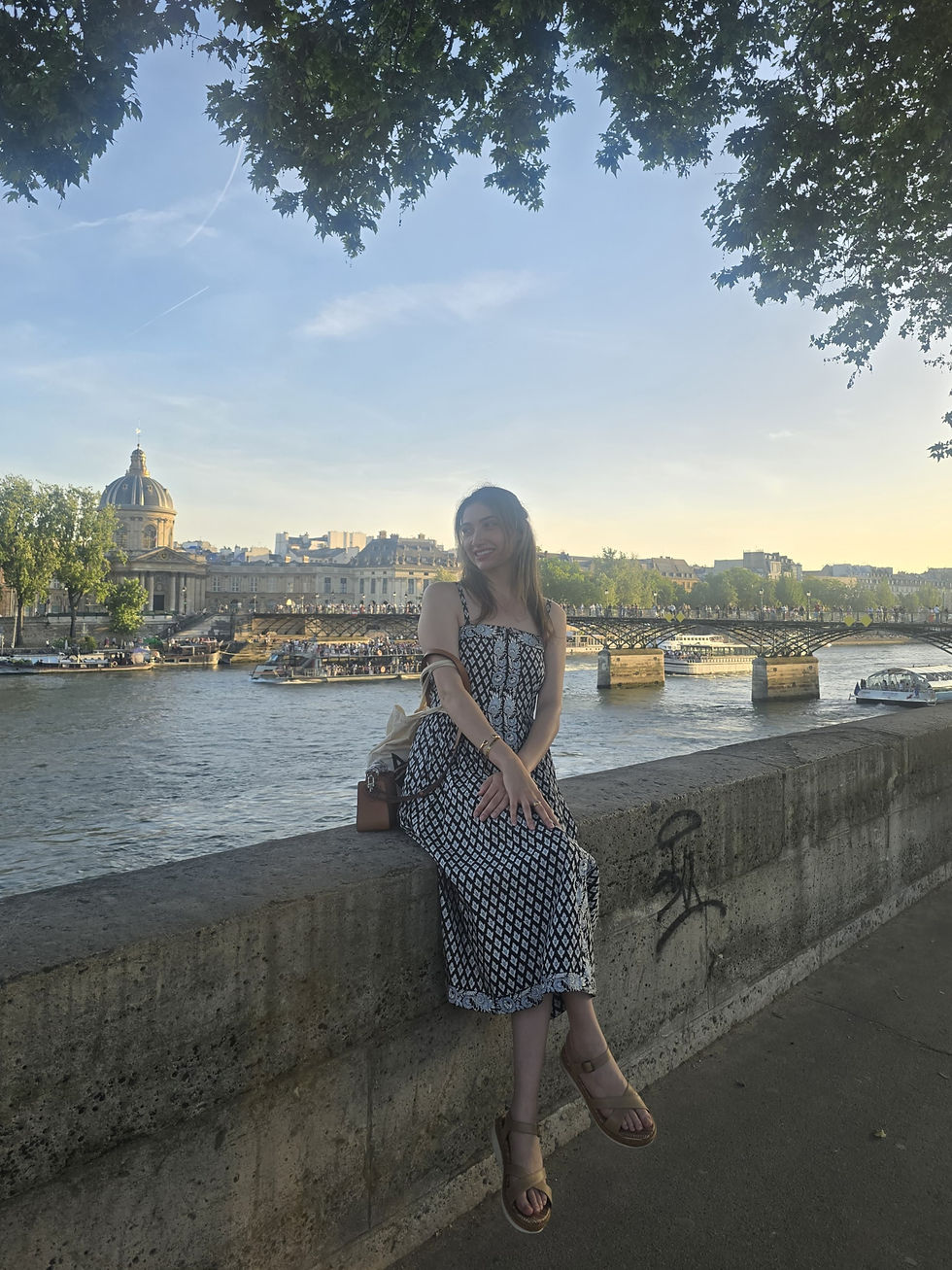
You may have noticed - I've been showing a lot more of "me" lately. My face, my thoughts, my joys, my personality, little glimpses of my personal life. It wasn't really a decision, more of a slow unfolding.
Here's where I started: there's no moral high ground in this debate. Just different languages. Some artists, like Banksy, choose mystery - the absence of identity becomes part of the message itself. Others show you their face, their studio, their doubts, their joys, and let that presence shape the meaning of what they create. Neither is more "right." Art is art, and how you think about art is its own kind of art too.

As for me, my art is part of my identity, and my identity is part of my art. They come from the same place. The more I grow as a person, the more my ideas and my work grow with me. Sharing more of myself doesn't dilute the work, it helps people understand it, and me, more fully. I used to worry that showing myself might come across as performance. Now I see it as context, not obligation. A choice, not a script - and honestly, part of my own growth. Learning to express who I am without fear of being judged, and to accept myself along the way. There's also something I didn't expect - I've genuinely come to enjoy getting to know the people on the other side of this, building a little community around it all.
At least, that's what I believed until I started questioning it. Is clarity even the goal of art? Some of the most powerful work is powerful precisely because it resists easy explanation. Mystery isn't a flaw, sometimes it's the engine. When an artist explains too much - whether about the work or themselves - they risk becoming the "official interpreter" of their own work, shaping how it's perceived until the audience quietly stops searching for their own meaning in it.

Let's take Van Gough for instance. Does knowing his struggles deepen how we see Starry Night, or does it reduce the painting to biography? I genuinely don't know. Once a piece leaves the studio, it starts living a life the artist doesn't fully control anymore, and maybe that's exactly how it should be. Art belongs partly to the person who made it, partly to whoever's standing in front of it.
So I'm not going to pretend I've landed on an answer, because I haven't. Maybe it's less about whether artists should stay silent, and more about knowing when to be silent.
So, over to you. Should art speak entirely for itself? Should the artist be part of the message? Or is it just subjective, different for every artist, every piece?


I've always thought of art as a form of self-expression, an expression of the soul, of thoughts, emotions, desires, ambitions, motives, or the imagination, whether through music, painting, or beyond.
Should art speak for itself? It could. There's no right or wrong answer. Communication to further express the passion behind it, or to create clarity for that deeper inner world, which I find an art of its own, helps get the story out. While art's beauty can be left to the viewer's interpretation, to whatever they connect with and see, and that too serves a purpose, the beauty of art is that it resonates with people's souls however they interpret it, while real connection arrives when it reaches a deeper emotional,…